
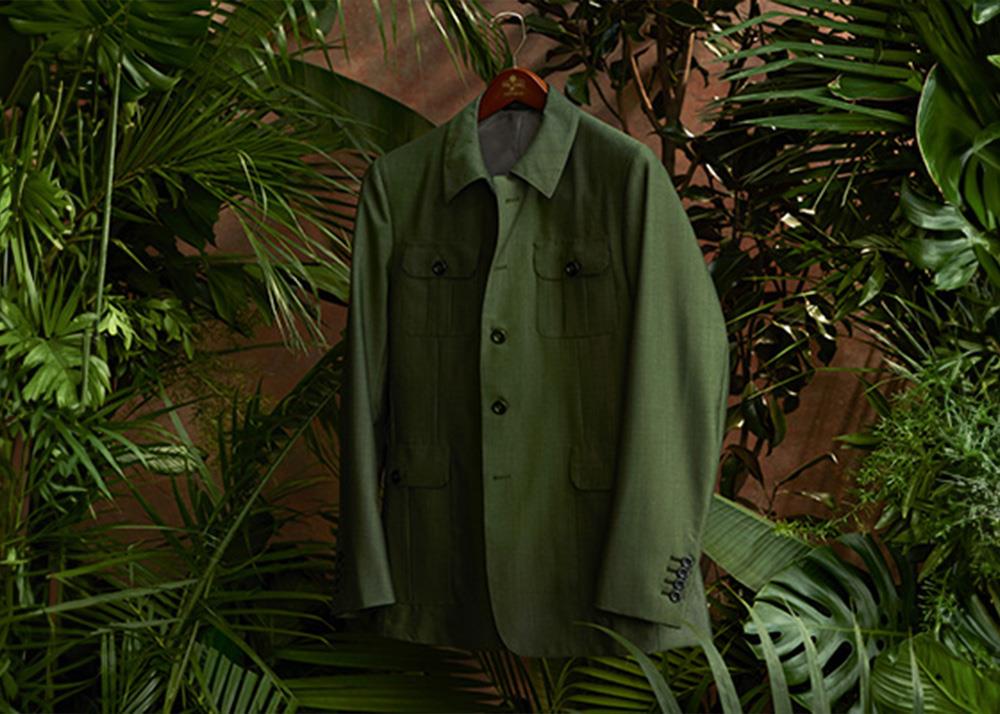
Building a sustainable wardrobe doesn’t require breaking the bank or sacrificing style. With a little creativity and smart choices, you can curate a wardrobe full of timeless, eco-friendly pieces. Here’s how you can start building your sustainable wardrobe on a student budget.
Thrift Shopping
Thrift stores are a hidden gem when it comes to eco-friendly fashion. Not only are you helping to reduce the demand for new clothes, but you can find high-quality, gently-used items at a fraction of the price of buying new. Thrift stores often have unique, one-of-a-kind pieces that you won’t find in mainstream stores, making your wardrobe stand out. Plus, you’re saving money and reducing waste at the same time.
Swap Clothes with Friends
Clothing swaps are a fantastic, zero-cost way to refresh your wardrobe. Organize a clothing swap with friends where everyone brings items they no longer wear and trade them. This is an eco-friendly alternative to buying new clothes, and it gives your old clothes a second life with someone else. You’ll also get new pieces without spending a dime.
Choose Brands with Ethical Practices
When purchasing new clothes, be mindful of the brands you support. Look for companies that prioritize sustainability in their manufacturing processes, use ethical labor practices, and focus on creating durable, timeless pieces. Many brands now offer eco-friendly clothing made from sustainable fabrics, ensuring that your purchase has a minimal environmental impact.
Invest in Quality Basics
Instead of spending money on cheap, fast-fashion items that fall apart after a few washes, invest in high-quality basics. A few well-made pieces like durable jeans, classic t-shirts, and cozy sweaters can be the foundation of a sustainable wardrobe. Quality basics are versatile, long-lasting, and can be styled in many ways to create fresh looks season after season.
Repair and Upcycle
Instead of throwing out clothes that have minor tears or stains, try to repair or upcycle them. Learning to sew or using basic repair kits can extend the life of your clothes, saving you money while reducing waste. If you’re feeling creative, turn old clothes into something entirely new, like a distressed jacket or upcycled accessories. This adds a personal touch to your wardrobe while contributing to a more sustainable lifestyle.
Opt for Eco-Friendly Fabrics
When purchasing new clothing, choose items made from natural, organic fabrics like organic cotton, hemp, or bamboo. These materials are more sustainable than synthetic fibers like polyester, which are derived from fossil fuels. Organic fabrics are also often gentler on the skin and more durable, meaning they will last longer in your wardrobe.



0 Comments