
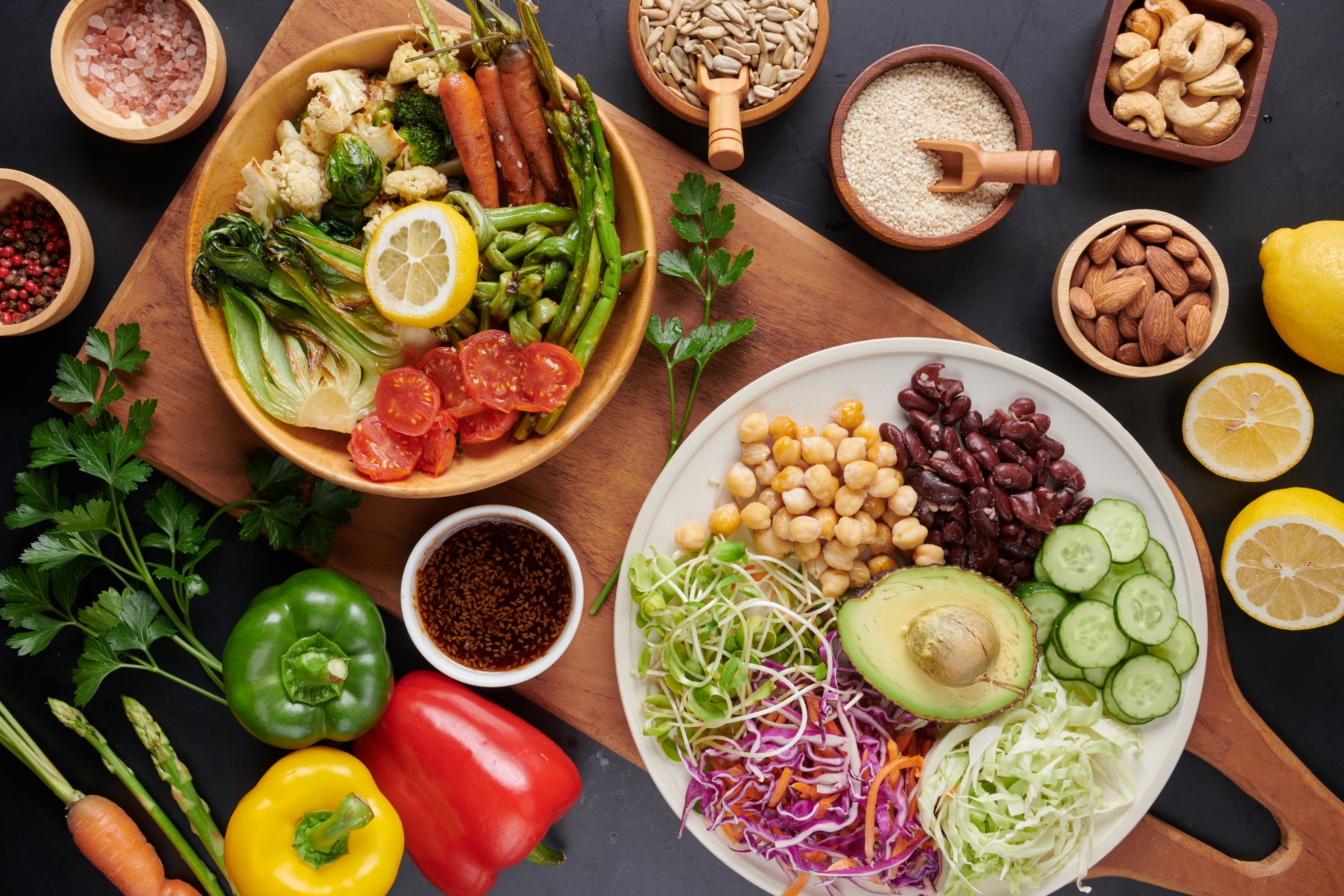
As a student, preparing and packing your own lunch not only saves money but also reduces waste and supports a more sustainable lifestyle. With a little creativity, you can pack meals that are nutritious, eco-conscious, and easy to carry. Here are five simple, environmentally friendly lunch ideas, along with additional tips, to help you make more sustainable choices during your busy days.
1. Grain Bowl with Veggies and Protein
Grain bowls are one of the most versatile and filling options for a sustainable lunch. Start with a base of grains like quinoa, brown rice, farro, or couscous. Add a mix of roasted or fresh veggies like sweet potatoes, bell peppers, spinach, and broccoli. Top it with a protein source, such as roasted chickpeas, black beans, tofu, or grilled chicken, depending on your preference. To make your meal even more eco-friendly, add toppings like avocado, nuts, or seeds for healthy fats. You can prepare the grains and veggies in advance and store them in reusable containers for the week, which reduces prep time and food waste.
Additional Tips:
- Make grain bowls in bulk and pack them for lunch throughout the week.
- Add a flavorful sauce or dressing in a reusable jar to enhance the taste without adding extra plastic waste.
2. Wraps with Hummus and Fresh Veggies
Wraps are an easy, mess-free option for busy students on the go. Start with a whole-grain tortilla or lettuce wrap and spread a layer of hummus, which adds creaminess and flavor. Fill it with fresh vegetables like cucumber, carrots, spinach, bell peppers, and avocado. For extra protein, you can add ingredients like falafel, tempeh, or grilled chicken. Wrap it up tightly and you have an eco-friendly meal ready to go.
Additional Tips:
- Use reusable beeswax wraps or fabric sandwich bags to wrap your meal, reducing the need for plastic wrap.
- Experiment with different spreads like avocado, pesto, or tahini for variety.
3. Pasta Salad
Pasta salad is a simple and satisfying lunch that can be prepared in advance and served cold. Cook whole wheat pasta or any pasta of your choice and mix it with seasonal veggies such as cherry tomatoes, cucumbers, olives, and bell peppers. Add some protein with beans, lentils, or chickpeas, and top it off with a light dressing made of olive oil, lemon juice, and herbs. Pasta salads are perfect for meal prep, and you can make a large batch to last the whole week.
Additional Tips:
- Use reusable glass or stainless steel containers to store your pasta salad.
- Switch up the dressing ingredients to avoid monotony—try balsamic vinegar, mustard, or a tahini-based dressing.
4. Leftovers from Dinner
Packing leftovers is one of the easiest and most effective ways to minimize waste. Simply cook extra portions at dinner and store them in reusable containers for the next day’s lunch. This not only saves you time but also reduces food waste by ensuring that leftovers are eaten instead of thrown away. You can pack anything from stir-fries to stews or casseroles—anything that stores well and reheats easily.
Additional Tips:
- Keep a few reusable containers in your bag or at home to store leftovers immediately after cooking.
- For added convenience, label containers with the date so you know when to eat them by.
5. DIY Snack Bars
Making your own snack bars is a great way to reduce waste and avoid the packaging that often comes with store-bought options. Combine ingredients like oats, dried fruits, nuts, and seeds to create a nutrient-packed snack that will keep you energized during long study sessions. Sweeten with natural ingredients like honey or maple syrup, and pack them into bars or squares. Store them in a reusable container or a fabric bag for easy access.
Additional Tips:
- Experiment with different flavors by adding ingredients like coconut, cacao, or protein powder.
- Make a large batch and store the bars in your freezer to keep them fresh longer.
More Eco-Friendly Lunch Tips
Use a Reusable Lunchbox or Container: Invest in high-quality, durable lunchboxes or containers made from stainless steel, glass, or bamboo. These options are not only more eco-conscious but will also keep your food fresh throughout the day without the need for single-use plastic bags.
Carry a Reusable Water Bottle: Say goodbye to single-use plastic bottles by carrying a durable, reusable water bottle. Stainless steel bottles keep drinks cold for longer periods and help you stay hydrated throughout the day.
Go for Seasonal Produce: Whenever possible, choose fresh, seasonal fruits and vegetables. Seasonal produce has a smaller carbon footprint and is often cheaper, making it an eco-friendly and budget-friendly choice for your meals.
Compost Your Food Scraps: Reduce your environmental impact further by composting your food scraps instead of throwing them away. Many cities offer composting services, or you can create your own compost bin at home to enrich the soil in your garden.
Avoid Pre-Packaged Snacks: Instead of buying pre-packaged snacks, make your own at home. Snacks like trail mix, granola, or roasted chickpeas can be made in bulk and stored in reusable jars. This eliminates the waste associated with individually wrapped snack packages.
Use Cloth Napkins: Say no to paper napkins by using reusable cloth napkins in your lunch. These can be washed and reused, reducing the waste from disposable napkins and paper towels.
Buy in Bulk: Purchasing ingredients in bulk not only reduces packaging waste but also helps you save money. You can buy grains, nuts, seeds, and dried fruits in bulk and store them in reusable jars or containers.
Prep and Freeze in Advance: To save time and reduce waste, prepare and freeze ingredients in advance. This can include pre-cooking grains, chopping veggies, or making smoothies. Having ingredients ready to go means you’re less likely to buy takeout or rely on packaged meals.
Be Mindful of Portion Sizes: Reducing food waste also means being mindful of portion sizes. Avoid over-purchasing or over-preparing food. If you find that you're consistently throwing away leftovers, try downsizing your meal portions and use smaller containers.
Use a Reusable Lunchbox or Container: Invest in high-quality, durable lunchboxes or containers made from stainless steel, glass, or bamboo. These options are not only more eco-conscious but will also keep your food fresh throughout the day without the need for single-use plastic bags.
Carry a Reusable Water Bottle: Say goodbye to single-use plastic bottles by carrying a durable, reusable water bottle. Stainless steel bottles keep drinks cold for longer periods and help you stay hydrated throughout the day.
Go for Seasonal Produce: Whenever possible, choose fresh, seasonal fruits and vegetables. Seasonal produce has a smaller carbon footprint and is often cheaper, making it an eco-friendly and budget-friendly choice for your meals.
Compost Your Food Scraps: Reduce your environmental impact further by composting your food scraps instead of throwing them away. Many cities offer composting services, or you can create your own compost bin at home to enrich the soil in your garden.
Avoid Pre-Packaged Snacks: Instead of buying pre-packaged snacks, make your own at home. Snacks like trail mix, granola, or roasted chickpeas can be made in bulk and stored in reusable jars. This eliminates the waste associated with individually wrapped snack packages.
Use Cloth Napkins: Say no to paper napkins by using reusable cloth napkins in your lunch. These can be washed and reused, reducing the waste from disposable napkins and paper towels.
Buy in Bulk: Purchasing ingredients in bulk not only reduces packaging waste but also helps you save money. You can buy grains, nuts, seeds, and dried fruits in bulk and store them in reusable jars or containers.
Prep and Freeze in Advance: To save time and reduce waste, prepare and freeze ingredients in advance. This can include pre-cooking grains, chopping veggies, or making smoothies. Having ingredients ready to go means you’re less likely to buy takeout or rely on packaged meals.
Be Mindful of Portion Sizes: Reducing food waste also means being mindful of portion sizes. Avoid over-purchasing or over-preparing food. If you find that you're consistently throwing away leftovers, try downsizing your meal portions and use smaller containers.
By incorporating these sustainable lunch ideas and tips into your routine, you can enjoy delicious, eco-conscious meals while reducing your environmental impact. Simple changes like using reusable containers, buying in bulk, and meal prepping can help you create a more eco-friendly lifestyle—one lunch at a time!



0 Comments