
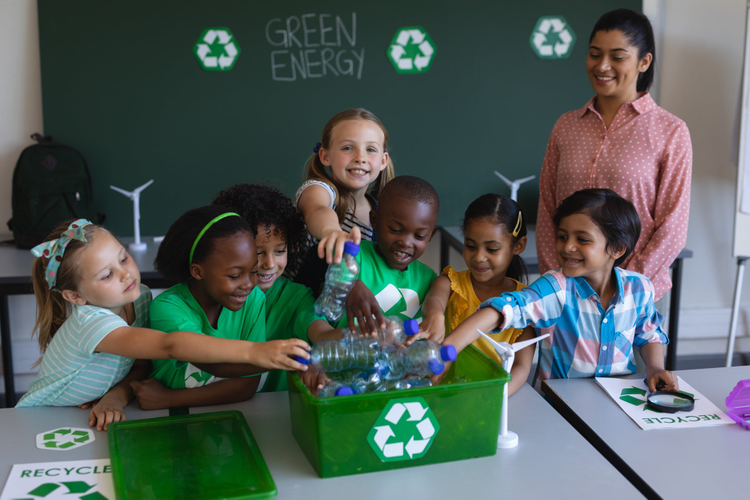
Living sustainably doesn’t have to be expensive or difficult. Even as a student, you can adopt eco-friendly habits that not only reduce your environmental footprint but also save you money. Let’s dive into 10 simple, practical changes that can make a big difference.
1. Use Reusable Water Bottles
One of the easiest ways to reduce your plastic waste is by carrying a reusable water bottle. Every day, millions of plastic water bottles are used once and then discarded, contributing significantly to plastic pollution. By choosing a reusable bottle, you can keep yourself hydrated throughout the day without generating more waste. It’s an affordable, sustainable choice that saves money over time and prevents plastic from ending up in landfills and oceans. Many reusable bottles also come in insulated versions, keeping your drinks cold or hot for longer periods, making it a convenient choice for students on the go.
2. Reduce Food Waste
Food waste is a major environmental issue, and as a student, it's easy to reduce your waste while saving money. Meal prepping and planning your grocery list can help you buy only what you need, preventing excess food from going to waste. Another great habit is using leftovers creatively—turning last night's dinner into lunch the next day or making soups, smoothies, or even composting what can't be reused. You can also freeze food that might go bad, so nothing gets thrown out. Being mindful of portion sizes and understanding how to store your food properly can go a long way in minimizing food waste, both at home and when eating out.
3. Opt for Digital Notes
If you’re still using paper notebooks for all your lectures and assignments, it’s time to make the switch to digital notes. Apps like Google Keep, Evernote, or OneNote are fantastic for organizing and storing notes without relying on paper. Not only will you help reduce paper waste, but you'll also find it much easier to organize, search, and access your notes anytime, anywhere. Digital notes also allow you to keep everything backed up and synchronized across all your devices, meaning you won't have to worry about losing important information. By eliminating paper, you’ll also save time and space—especially helpful when you’re living in a small dorm room or shared apartment.
4. Choose Eco-Friendly Transportation
Transportation is one of the largest sources of carbon emissions, so choosing an eco-friendly mode of travel is an excellent way to reduce your environmental footprint. If your school is within walking or biking distance, take advantage of these modes of transport to get around. Not only will this help reduce emissions, but it will also save you money on gas and parking. Alternatively, public transportation is a great way to reduce your carbon footprint without the hassle of driving. If possible, organize a carpool with friends to further reduce the number of cars on the road. By opting for these sustainable transportation methods, you’ll not only help the environment but also stay active and reduce your stress levels associated with driving.
5. Avoid Single-Use Plastics
Single-use plastics are a significant environmental problem, and as a student, you can make a big impact by simply avoiding them. Carry your own reusable utensils, straws, and containers to reduce your reliance on disposable plastics. Many cafes and food outlets now offer discounts for bringing your own coffee cups or containers, so it’s an easy way to save money while being eco-friendly. Also, bring reusable shopping bags to avoid using plastic bags when shopping. By making small changes, you’ll reduce your personal plastic consumption and contribute to the reduction of plastic waste that often ends up in oceans and landfills.
6. Buy Secondhand Items
A great way to reduce your environmental footprint is by buying secondhand items instead of always purchasing new. Thrift stores, online marketplaces, and secondhand shops are filled with affordable books, clothing, and furniture that are still in great condition. When you buy secondhand, you not only help extend the life of these items, but you also prevent them from contributing to landfill waste. Plus, shopping secondhand allows you to find unique, one-of-a-kind items that you wouldn’t necessarily find in stores. Whether it’s your next textbook, a piece of furniture for your dorm, or a wardrobe update, secondhand shopping is an environmentally friendly and budget-conscious choice.
7. Go Paperless with Bills and Documents
One of the easiest ways to reduce your paper waste is by going paperless. Sign up for e-bills, e-statements, and online subscriptions instead of relying on printed documents. Many service providers, banks, and schools offer digital billing options, which not only save paper but also make your finances more organized. With all of your important documents stored digitally, you can easily access them from anywhere, keeping your life clutter-free and paper-free. Using digital resources like PDF forms or e-books can further reduce your reliance on paper, helping you stay more organized while doing your part for the planet.
8. Turn Off Lights and Electronics When Not in Use
Electricity consumption is a major contributor to environmental pollution. A simple habit that can make a huge difference is to turn off lights and unplug electronics when they’re not in use. Whether you're in your dorm room studying or hanging out with friends, remember to switch off lights and electronics when you leave a room. This helps conserve energy and reduces your carbon footprint. Additionally, unplugging chargers and electronics when they’re not in use can help prevent “phantom” energy consumption, saving both energy and money on your electricity bill.
9. Composting
Composting is an excellent way to reduce food waste while nourishing the soil at the same time. Instead of throwing food scraps like vegetable peels, coffee grounds, or eggshells into the trash, compost them. If your school offers composting facilities, take full advantage of them. Otherwise, consider setting up your own small composting bin in your dorm or apartment. Composting not only reduces methane emissions from landfills but also creates nutrient-rich compost that can be used for gardening. It’s an easy and effective way to reduce your environmental impact while promoting sustainability at home and on campus.
10. Shop Local
Supporting local businesses is one of the best ways to reduce your carbon footprint. When you shop locally, the products you purchase don’t have to travel long distances, reducing the environmental impact of transportation. Local food markets often have fresh, seasonal produce, and local stores carry items made in your region, which helps stimulate the local economy while supporting sustainable practices. Whether you’re buying groceries, clothing, or even school supplies, shopping local can be a powerful way to promote sustainability and community development.
In conclusion, adopting these 10 simple habits can significantly reduce your environmental footprint as a student, while also saving money and encouraging a more mindful, sustainable lifestyle. It doesn’t take drastic changes—just small, everyday adjustments that can make a world of difference for both you and the planet. Start with one or two of these habits and gradually incorporate more into your routine. Together, these small steps will add up to a positive impact on the environment, and you’ll feel good knowing you’re doing your part to create a more sustainable future.



0 Comments